

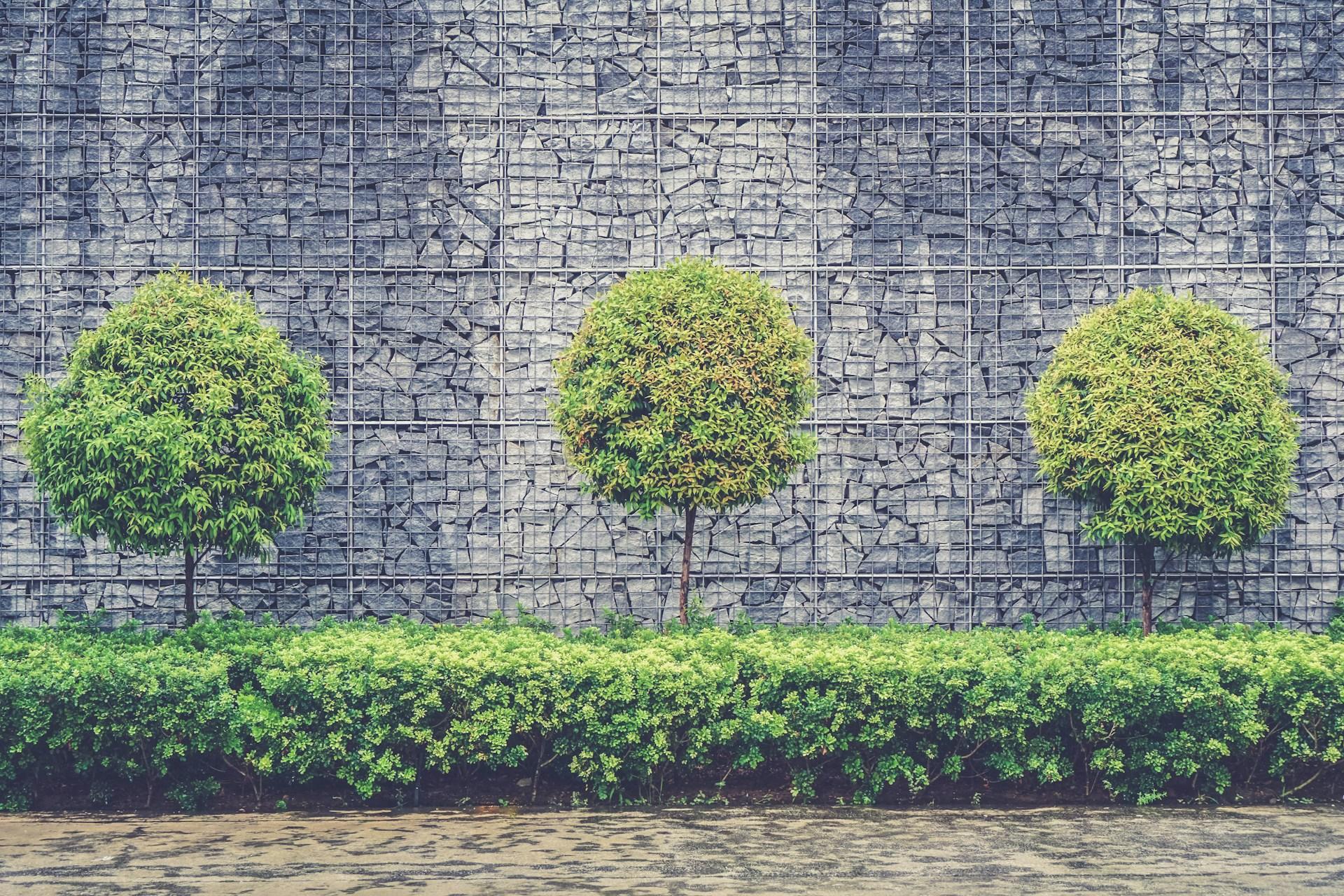
April in Cleveland brings plenty of rain, and for many homeowners, that means moisture problems in the yard. Standing water, soft patches near the house, and areas where the grass just won’t grow can all point to bigger drainage issues. If the ground slopes or the soil doesn’t absorb water well, spring weather can make a mess faster than expected.
That’s where something like a retaining wall installation comes in. These types of walls don’t just look nice, they’re a smart fix for keeping water in check and stopping soil from sliding around. They also help protect foundations, landscaping, and outdoor features. When spring storms hit, having a plan in place makes a difference. It’s not only a matter of design but also one of making sure your yard survives the wettest part of the year without extra headaches.
How Spring Rain Affects Yard Drainage
When it rains hard, the water has to go somewhere. In a lot of Northeast Ohio yards, it ends up moving too fast downhill or sitting still where it shouldn’t. These drainage problems don’t always show up during dry months, but spring brings them right to the surface.
- In flat yards, rainwater may pool near the house or deck, soaking the soil over and over
- On hills or slopes, water runs downhill quickly, which can carry away grass or top layers of dirt
- Poor drainage can weaken the ground around patios, stairs, or sheds, making them feel unstable
If we don’t deal with these problems early enough, moisture can work its way toward the foundation or create muddy areas that never quite dry out. Spring rain is helpful for plants, but without good drainage, it can create more problems than it solves. Over time, this water can also seep into basements or crawlspaces, causing further trouble that might end up needing even bigger repairs. If you walk outside after a long rainstorm and see water standing where it shouldn’t, that’s usually a sure sign that a solution is needed.
What a Retaining Wall Does
A retaining wall is built to do one main thing, hold soil where we want it. But the way it handles water is just as important. When we build a wall the right way, we also give the yard a way to guide rainfall away from places it could cause trouble.
- It holds back the slope and keeps it from pushing soil downhill
- It can include drainage pipes or gravel fill to help move water safely
- It protects things like driveways, gardens, or pathways from shifting or cracking
The wall adds strength to the yard, especially near soft spots or edges where the ground might move during heavy rain. Having a plan for managing water flow keeps outdoor areas more stable and easier to care for as the seasons change. Proper drainage also means that the soil behind the wall doesn’t get waterlogged or put too much pressure on the structure, helping both the wall and your yard last longer.
Good wall design involves thinking about how water flows through and around your property during a normal rainstorm and during those big spring downpours. We look for ways to let water drain out safely rather than collect behind the wall or flood other parts of the yard. The right setup keeps everything working smoothly and looking sharp from the street all the way to your back fence.
Where Retaining Walls Work Best in the Yard
Not every yard needs a wall everywhere. But there are specific spots where these walls really help. In yards around Cleveland that have different levels, tree lines, or older drainage systems, we often see the same areas causing the most issues.
- Steep hills along the back or sides of a property tend to wash out after repeated storms
- Areas near basements or outdoor stairs sometimes collect water quickly and need better direction
- Raised garden beds along slopes benefit from a wall to hold in dirt and slow down runoff
Sometimes the wall is short, just backing up part of a garden bed. Other times, it’s taller and supports multiple levels on a hilly yard. No matter the size, the goal is always the same: stop the soil from shifting and give the water someplace better to go.
For homes with sloping yards, driveways, or old landscaping, adding a wall in the right spot can make mowing easier, keep mulch in place, and protect the roots of shrubs and trees. We often find that tackling a problem area with a retaining wall saves hours of yard work later. In gardens that are on a slope, walls turn steep areas into flat, usable spaces and help keep soil and nutrients with the plants instead of letting everything wash to the lowest spot. Taking a walk around your property after a heavy rain and noticing where puddles form or soil moves can help show where a wall might help most.
Why Spring Is the Right Time for This Project
If we’re thinking about the best time to address drainage problems, early spring is near the top of the list. This is the season when the yard starts waking back up, and it’s easy to spot the soggy areas or spots where water just won’t drain well.
- The ground has thawed out from winter, making digging and building a lot easier
- Rainfall helps us see what areas are working and which ones aren’t draining properly
- Starting in spring gives the yard time to settle before summer gets busy with outdoor use
Class 1 Pavers & Remodelers specializes in designing and building custom retaining walls for Cleveland homes, helping with both yard grading and built-in drainage solutions as described on our masonry contractor service page. Our experience covers everything from masonry and stonework to complete outdoor renovations.
Once summer hits in Cleveland, construction projects can start piling up or get delayed by heat and humidity. Handling retaining wall installation in the spring gives us time to solve drainage problems before we add foot paths, decks, or gardens to those areas. Tackling these upgrades early means your yard will be ready to handle all your summer plans, from playtime to cookouts, without muddy shoes or patches of standing water getting in the way. Plus, by getting a head start, you can enjoy your improved landscaping all season long.
A Safer, Drier Start to the Season
There’s something satisfying about having a yard that works well, especially in the spring when everything starts turning green again. Retaining walls aren’t just about how they look, they make our outdoor spaces feel safer, stronger, and more ready for whatever weather rolls in.
By adding structure in the right places, we keep soil from washing away and help the water move smoothly where it should. That means fewer puddles, sturdier walkways, and cleaner areas to enjoy without constant cleanup. Taking care of drainage now helps avoid bigger messes down the road and gives the whole property a better start to the season ahead. A smart retaining wall plan also adds to the value and comfort of your home, making outdoor activities easier and taking one more worry off your plate when April showers come around. By planning early and using strong designs, you’ll be able to enjoy your yard as soon as the first flowers appear and keep it in shape through stormy weather. From safer steps to better grass and gardens, small changes like these add up for years to come.
Spring rain can create real problems with runoff and erosion in your yard, but adding structure can make a big difference. We’ve helped many homeowners throughout Cleveland achieve lasting results with a well-planned retaining wall installation to better control soil and water. At Class 1 Pavers & Remodelers, we’re ready to help you decide where a wall could benefit your yard and make sure it stays functional year-round. Call us today to talk about drainage solutions right for your property.

